Screenshot_17
  • Home
  • Course
  • About Us
  • Blog
  • Contact us
  • Book A Call
Account
  • Home
  • Course
  • Portfolio
  • About
  • Blog
  • Contact us
Book A Call >
Sign In

Lost your password?

Sign In
Cart

No products in the cart.

Return To Shop
Shopping cart (0)
Subtotal: $0.00

View cartCheckout

Cart $0.00
Design Psychology

The Psychology of Design: How Emotions Shape Environments

August 5, 2025 /Posted byTam Nguyen / 90 / 0

Design is more than selecting finishes or styling a shelf. It’s about shaping how people feel in a space—whether they realize it or not.

  • Why Design Psychology Matters

Most aspiring designers focus on the visible: colors, materials, layouts, lighting. But the invisible aspects of design—how a space influences emotion, energy, and behavior—are what separate amateurs from professionals.

When you walk into a room and feel calm, energized, focused, or inspired… that’s design psychology at work.

Great design isn’t just beautiful. It’s emotionally intelligent.

  • 1. Calm Spaces = Controlled Choices

The Emotion: Tranquility, safety, peace

The Goal: Encourage rest, mindfulness, and stress reduction

  • Design Strategies:
  • Use soft, muted colors like sage, sand, and pale blue
  • Limit visual clutter (too many decor items create cognitive overload)
  • Incorporate natural textures (linen, wood, stone) to connect with nature
  • Add low, warm lighting (think: table lamps or wall sconces instead of overhead floodlights)
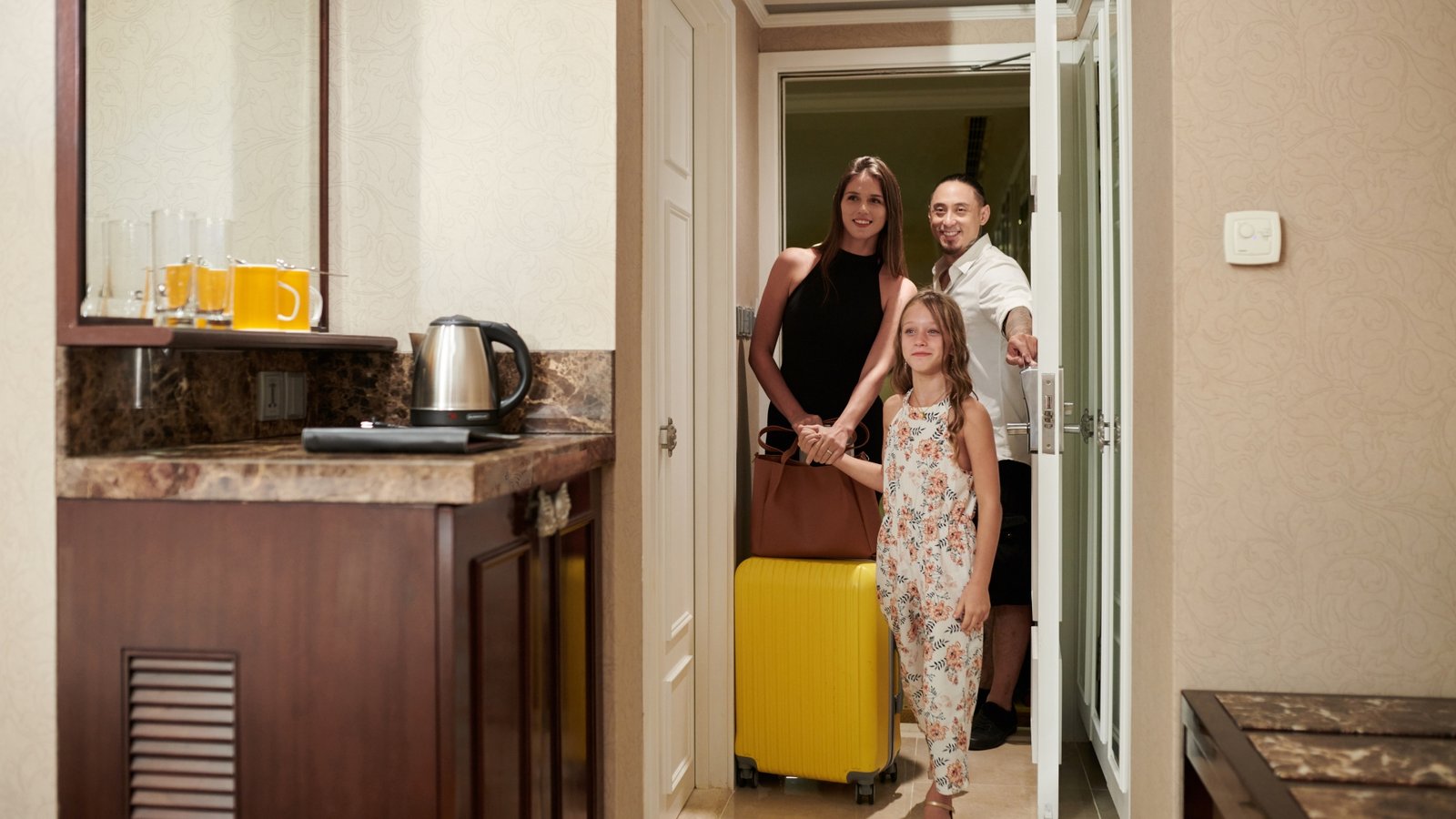
Perfect for: Bedrooms, spa bathrooms, therapy rooms, meditation zonesv

  • 2. Energizing Spaces Spark Action

The Emotion: Excitement, motivation, alertness

The Goal: Boost productivity, creativity, or social energy

  • Design Strategies:
  • Use contrasting colors and bold accents (yellow, red, cobalt blue)
  • Open layouts with clear lines of sight for movement and interaction
  • Dynamic lighting like adjustable track lights or daylight exposure
  • Add tactile surfaces or art that invites engagement

Perfect for: Home offices, gyms, brainstorming areas, creative studios

  • 3. Cozy Spaces Build Connection

The Emotion: Belonging, warmth, comfort

The Goal: Foster closeness, safety, and connection

  • Design Strategies:
  • Anchor the room with circular furniture arrangements to promote conversation
  • Use warm color palettes (rust, caramel, olive green) and plush textures
  • Layer soft lighting with dimmable lamps and candles
  • Display personal or meaningful objects (books, photos, heirlooms)

Perfect for: Living rooms, family rooms, reading corners, gathering spaces

  • 4. Transitional Spaces Cue Mindset Shifts

The Emotion: Anticipation, readiness, focus

The Goal: Guide people between moods or activities

  • Design Strategies:
  • Use visual cues (rugs, ceiling height changes, wall color shifts) to mark “zones”
  • Create entry rituals—like a mirror by the door or a hallway with scent diffusers
  • Use patterned flooring or texture changes to subtly guide movement

Perfect for: Entryways, hallways, mudrooms, between work/live zones in hybrid homes

  • Bonus: Think Like a Behavioral Designer

Designers influence how people feel and behave in their spaces—consciously or unconsciously.

  • Ask yourself:
  • How do I want someone to feel when they walk into this room?
  • What behavior do I want to encourage in this space?
  • What’s currently in the room that might work against that emotion?

When you can answer those questions clearly, you’re designing with purpose—not just preference.

  • Final Thought

“People will forget what you said, forget what you did, but never forget how you made them feel.”

— Maya Angelou

That’s true in design too.

A great space doesn’t just look good—it feels right. When you learn to tap into design psychology, you elevate every project from pretty… to powerful.

  • Free Download

Want to learn how to create emotionally intelligent spaces from day one?

  • Download the free guide:
  • “5 Mistakes Aspiring Designers Make On Their First Renovation Project”

Avoid the emotional and practical pitfalls—learn what most decorators miss.

Get the Free Checklist Now
Share Post
  • Twitter
  • Facebook
  • VK
  • Pinterest
  • Mail to friend
  • Linkedin
  • Whatsapp
  • Skype
Top 3 Space Planning Mistakes ...
Why Your Project Budget Keeps ...

About author

About Author

Tam Nguyen

Other posts by Tam Nguyen

Add comment Cancel reply

Your email address will not be published. Required fields are marked

Search

Latest Post

Rethinking the Design Thesis: Why the Future ...

December 22, 2025 0

The 80/20 Design Rule: Why the Future ...

December 14, 2025 0

MODULE 4: How Professional Interior Designers Master ...

December 14, 2025 0

How to Be a Creative Designer Through ...

September 14, 2025 0

Helping aspiring designers run high-end renovation projects confidently—without a degree or debt. Real-world training. Real results. Real confidence.

Explore TamWynn

    • About Us

    • Blog

    • Book Shop

Courses & Policies

    • Course

    • Course Cancellation Policy

    • Terms and Conditions

    • Privacy Policy

CONTACT US

info@tamwynn.com

Follow us

Facebook Instagram Linkedin Tik-tok Youtube

© Tam Wynn 2025