
The Shift in Interior Design and Home Renovation
The AI interior design market reached $3.28 billion in 2025 and is projected to grow to $15 billion by 2033.
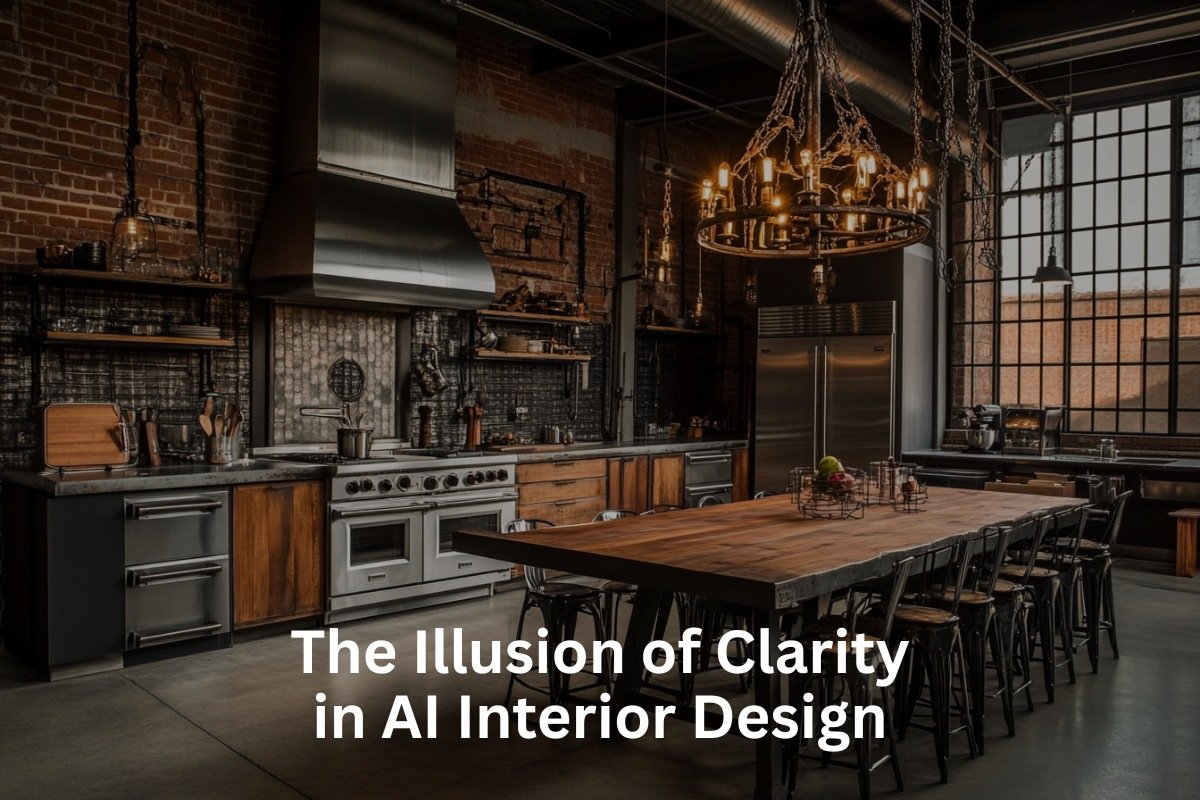
Today, AI tools can generate hyper-realistic interior design renderings in under 30 seconds from a single photo.
For homeowners and designers, this is exciting.
But after more than 16 years working in interior design and construction project management, I’ve seen a different reality:
Beautiful design is rarely the problem. Execution is.
The Illusion of Clarity in AI Interior Design
AI has transformed how homeowners approach home renovation planning.
With a few clicks, you can visualize:
- A modern kitchen
- A spa-like bathroom
- A complete home transformation
Everything looks polished and complete.
But when the renovation begins, the questions start:
- Where do I begin my renovation?
- Is this design actually feasible?
- What will it really cost?
- Which contractor should I hire first?
- What happens if something goes wrong?
This is where most home renovation projects fail—not because of bad design, but because of a lack of planning.
What AI Cannot Do in a Renovation Project
AI is powerful, but it has limitations.
It can:
- Generate ideas
- Speed up design exploration
- Create stunning visuals
But it cannot:
- Define project scope
- Manage renovation budgets
- Coordinate contractors and trades
- Anticipate construction challenges
- Guide real-world decision-making
In short, AI cannot replace experience, strategy, and execution.
Why Renovation Planning Matters More Than Ever
Most homeowners don’t struggle with inspiration.
They struggle with:
- Renovation budgeting
- Project planning
- Decision-making
- Execution strategy
Without a clear system, even the most beautiful design can lead to:
- Budget overruns
- Project delays
- Costly mistakes
This is why renovation planning is the most critical phase of any project.
The Missing Piece: Structure and Systems
One of the biggest gaps in both homeowners and design professionals is this:
There is often no structured system to move from concept to execution.
Many designers are trained in:
- Aesthetics
- Materials
- Visual composition
But not always in:
- Project management
- Budgeting strategy
- Construction coordination
And that’s where projects begin to fall apart.
The Future of Interior Design: Beyond Aesthetics
AI is not replacing designers.
It is raising the standard.
Clients today come with:
- Inspiration images
- AI-generated concepts
- Clear visual preferences
But what they truly need is:
Someone who can translate vision into reality.
The future of interior design belongs to those who can provide:
- Clarity
- Structure
- Real-world strategy
- Leadership
From AI Design to Real-World Execution
AI can help you see the vision.
But it takes:
- Planning
- Experience
- Structured thinking
to bring that vision to life successfully.
Final Thoughts: Avoid Costly Renovation Mistakes
If you’re planning a home renovation, the most important question isn’t: “What will it look like?” the most important question is: “How will this actually be built?”
That’s where time, money, and outcomes are determined.
Let’s Start the Conversation
Have you noticed this shift?
Are homeowners becoming more visually informed—but less clear on execution?
Share your thoughts below—I’d love to hear your experience.
About My Work
In my work, I focus on helping homeowners and designers approach renovation projects with a clear planning framework—so they can avoid costly mistakes and execute with confidence.
If you’re interested in learning more about this approach, I’m happy to share additional resources.







Add comment