
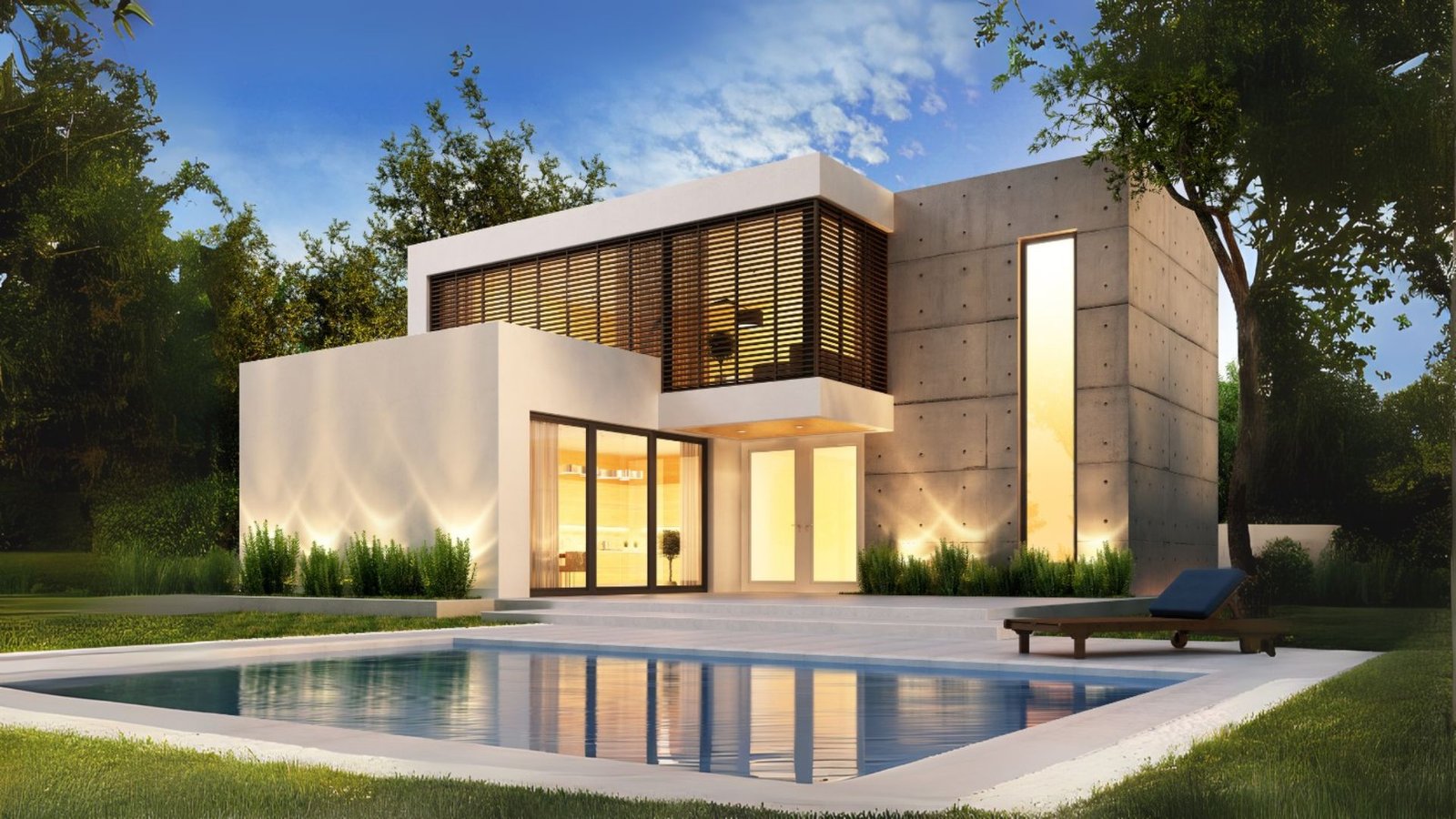
AI is changing the design industry at lightning speed. Apps can now:
- Generate mood boards in seconds
- Produce photo-realistic renderings
- Suggest materials and layouts instantly
For many decorators and designers, this raises the question: “Do homeowners even need us anymore?”The truth: the role of a designer has never been about just picking finishes or rearranging furniture. The real role is solving problems and creating value, something AI can’t do.
Why Creativity Matters More Than Ever
Design isn’t about chasing trends. True creativity comes from:
- Systems that guide your process
- Construction knowledge that grounds your ideas in reality
- Timeless principles like sacred geometry that create harmony and balance
This is what separates specialist designers from designers chasing trends, and what no AI can replicate.
Sacred Geometry: The Hidden Key
At its core, sacred geometry is about patterns, proportions, and relationships that repeat in nature, art, and architecture.
- Triangles, squares, rectangles, and circles form the foundation of design.
- A square can divide into four triangles, which multiply into eight.
- Repeated circles form the Flower of Life, seen in mosaics, cathedral windows, mandalas, and plants.
- The Golden Ratio (1.618) appears in plants, seashells, the Parthenon, and even the human body.
The result? Spaces designed with these proportions feel harmonious, balanced, and timeless, even if most people don’t consciously notice why.
What AI Can’t Do
AI is powerful, but limited. Here’s the difference:
AI can: generate pictures, visualize layouts, and rearrange ideas quickly.AI cannot:
AI can: generate pictures, visualize layouts, and rearrange ideas quickly.AI cannot:
- Walk into a room and fix poor circulation
- Adjust scope when a wall is load-bearing
- Manage contractors and budgets
- Create solutions rooted in human experience
That’s where you come in. Designers don’t just decorate, they solve problems.
Creativity Beyond the Classroom
When I taught sacred geometry to 4th and 5th graders, the results amazed me. Kids started applying geometry to:
- Everyday problem-solving
- Art projects
- Even fashion sketches (one student dreamed of becoming a fashion designer)
The lesson: geometry unlocks creativity. If children can see the world differently with this tool, imagine what professionals can achieve.
What’s Wrong with Design School Today
Traditional design education has big challenges:
- Expensive – often $100,000+ in tuition
- Time-consuming – four years plus apprenticeship requirements
- Disconnected – too much theory, not enough real-world training
Graduates often end up in:
- Low-paying jobs
- Roles with little connection to creative design
- Years of apprenticeship before they can lead projects
This leaves many talented people stuck at the decorator level instead of stepping fully into the role of a designer.
A Different Approach
Here’s my framework for helping decorators and aspiring designers level up:
- Sacred Geometry – spark creativity and original design ideas
- Construction Knowledge – estimate, budget, and manage with confidence
- Systems & Processes – create balance, harmony, and efficiency in every project
This combination moves you from “just a designer/decorator” to a specialist designer capable of leading larger, more complex projects.
Your Next Step
AI can handle repetition. But creativity, harmony, and real-world problem-solving will always be human.If you’re ready to take the next step:








Add comment