
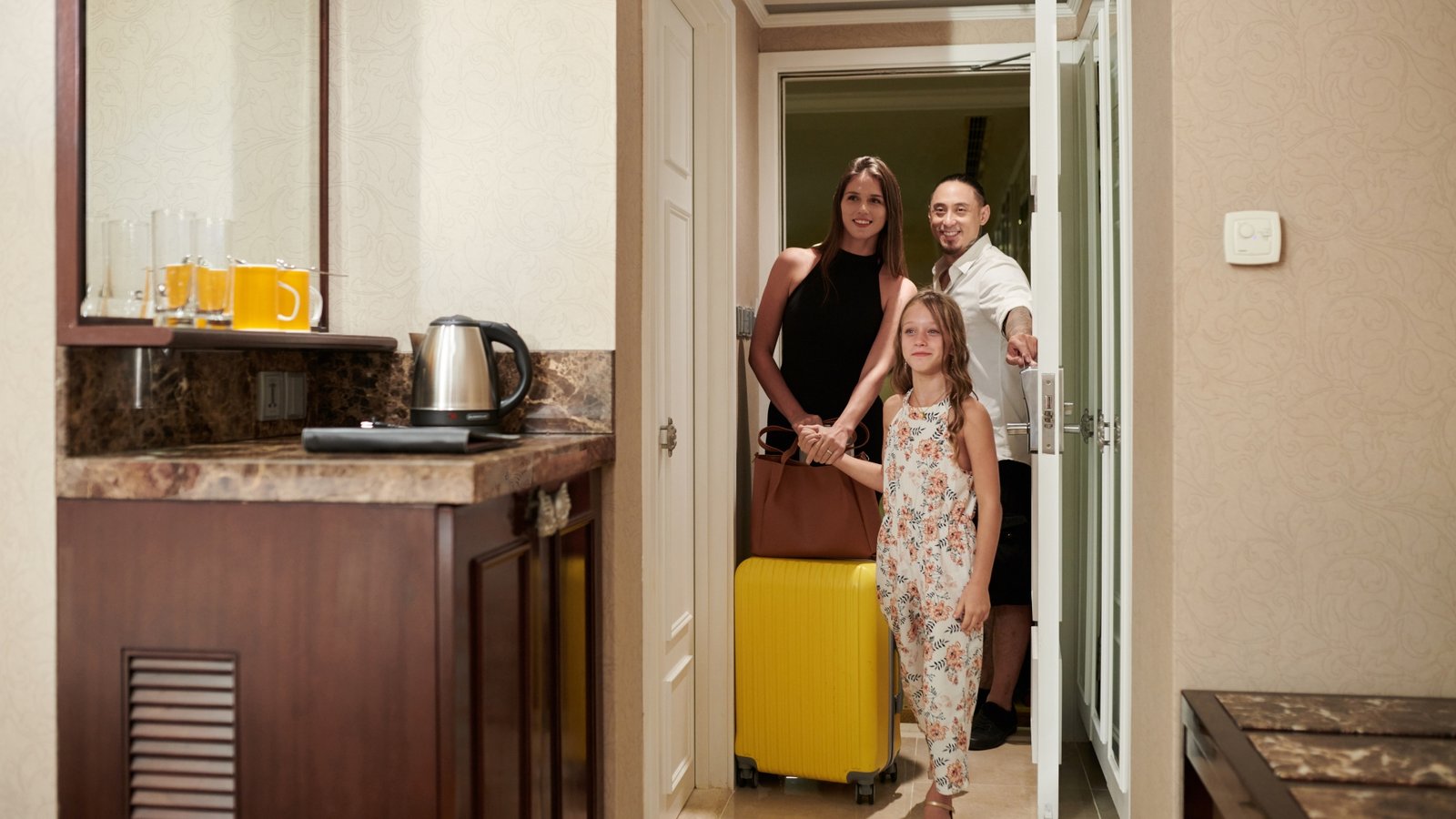
Design is more than selecting finishes or styling a shelf. It’s about shaping how people feel in a space—whether they realize it or not.
- Why Design Psychology Matters
Most aspiring designers focus on the visible: colors, materials, layouts, lighting. But the invisible aspects of design—how a space influences emotion, energy, and behavior—are what separate amateurs from professionals.
When you walk into a room and feel calm, energized, focused, or inspired… that’s design psychology at work.
Great design isn’t just beautiful. It’s emotionally intelligent.
- 1. Calm Spaces = Controlled Choices
The Emotion: Tranquility, safety, peace
The Goal: Encourage rest, mindfulness, and stress reduction
- Design Strategies:
- Use soft, muted colors like sage, sand, and pale blue
- Limit visual clutter (too many decor items create cognitive overload)
- Incorporate natural textures (linen, wood, stone) to connect with nature
- Add low, warm lighting (think: table lamps or wall sconces instead of overhead floodlights)
Perfect for: Bedrooms, spa bathrooms, therapy rooms, meditation zonesv
- 2. Energizing Spaces Spark Action
The Emotion: Excitement, motivation, alertness
The Goal: Boost productivity, creativity, or social energy
- Design Strategies:
- Use contrasting colors and bold accents (yellow, red, cobalt blue)
- Open layouts with clear lines of sight for movement and interaction
- Dynamic lighting like adjustable track lights or daylight exposure
- Add tactile surfaces or art that invites engagement
Perfect for: Home offices, gyms, brainstorming areas, creative studios
- 3. Cozy Spaces Build Connection
The Emotion: Belonging, warmth, comfort
The Goal: Foster closeness, safety, and connection
- Design Strategies:
- Anchor the room with circular furniture arrangements to promote conversation
- Use warm color palettes (rust, caramel, olive green) and plush textures
- Layer soft lighting with dimmable lamps and candles
- Display personal or meaningful objects (books, photos, heirlooms)
Perfect for: Living rooms, family rooms, reading corners, gathering spaces
- 4. Transitional Spaces Cue Mindset Shifts
The Emotion: Anticipation, readiness, focus
The Goal: Guide people between moods or activities
- Design Strategies:
- Use visual cues (rugs, ceiling height changes, wall color shifts) to mark “zones”
- Create entry rituals—like a mirror by the door or a hallway with scent diffusers
- Use patterned flooring or texture changes to subtly guide movement
Perfect for: Entryways, hallways, mudrooms, between work/live zones in hybrid homes
- Bonus: Think Like a Behavioral Designer
Designers influence how people feel and behave in their spaces—consciously or unconsciously.
- Ask yourself:
- How do I want someone to feel when they walk into this room?
- What behavior do I want to encourage in this space?
- What’s currently in the room that might work against that emotion?
When you can answer those questions clearly, you’re designing with purpose—not just preference.
- Final Thought
“People will forget what you said, forget what you did, but never forget how you made them feel.”
— Maya Angelou
That’s true in design too.
A great space doesn’t just look good—it feels right. When you learn to tap into design psychology, you elevate every project from pretty… to powerful.
- Free Download
Want to learn how to create emotionally intelligent spaces from day one?
- Download the free guide:
- “5 Mistakes Aspiring Designers Make On Their First Renovation Project”
Avoid the emotional and practical pitfalls—learn what most decorators miss.







Add comment